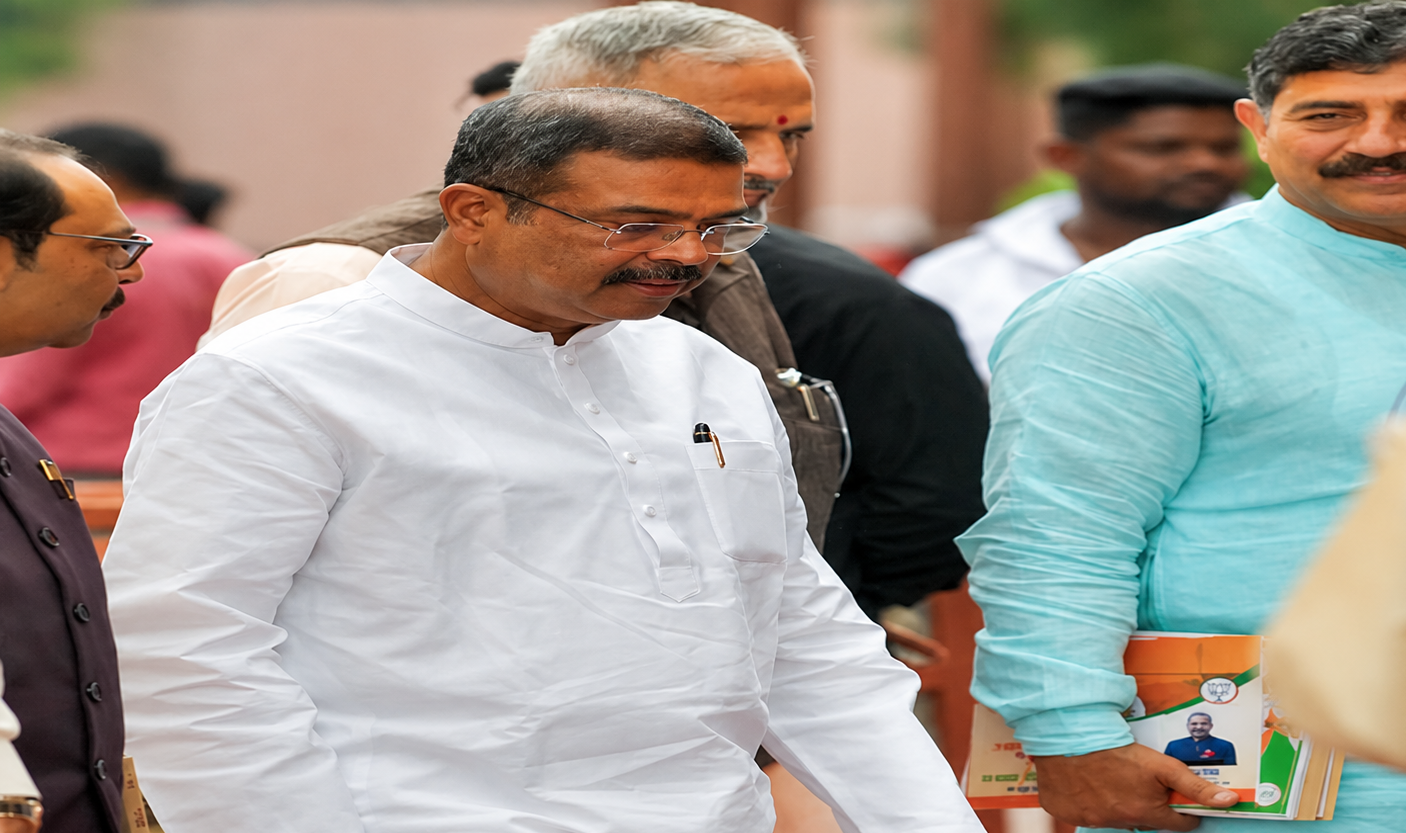
Not once in 12 years. Not a single Union minister had resigned under public pressure in over a decade. So what changed on July 25, 2026, that forced Education Minister Dharmendra Pradhan to step down (Dharmendra Pradhan’s Resignation) ?
If you’ve been following the news, you’ve probably already seen the headline. But the real story isn’t in the headline (Protest Victory! Dharmendra Pradhan has Resigned). It’s in the weeks leading up to it — a hunger strike, a satirical movement that somehow ended up being called the “Cockroach Janta Party,” serious questions about police action, and a resignation letter that says a lot less than it seems to.
In this piece, we’ll walk through where this all started, which tactics the government tried before giving in, and why it finally had to step back. We’ll also be careful to separate what’s actually confirmed from what’s still just an allegation or a disputed claim — because in a story moving this fast, that distinction matters.
Where It All Started that leads to (Dharmendra Pradhan’s Resignation)
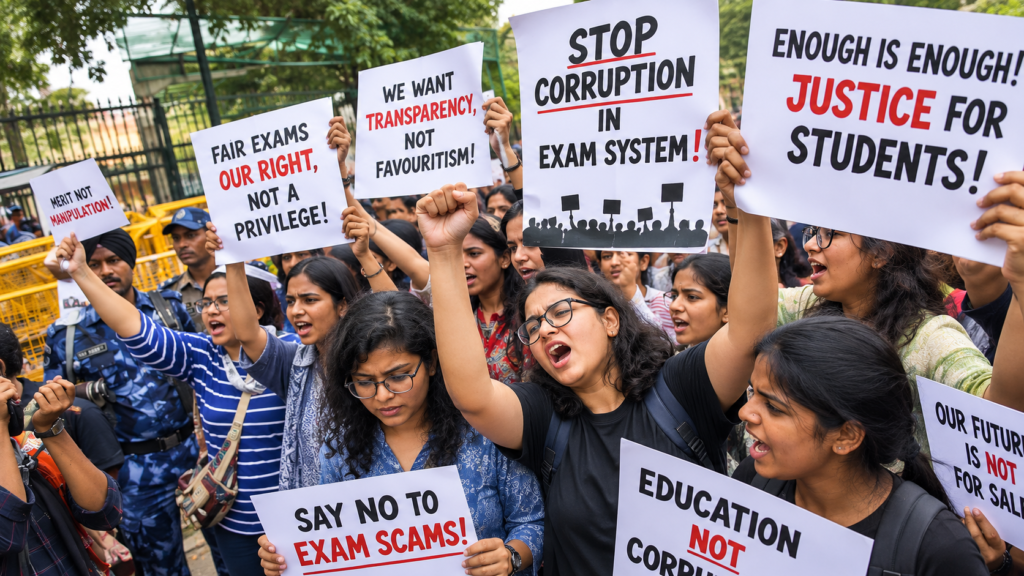
It begins with the NEET-UG 2026 exam. Held on May 3, 2026, reports of irregularities started surfacing almost immediately. The government handed the matter to the CBI, cancelled the exam, and announced a re-test. It also decided that from the following year, NEET would move to a Computer-Based Test (CBT) format.
But for students, this wasn’t just one bad exam cycle. Paper leaks have kept resurfacing over the past several years, so the obvious question was — who’s actually accountable here?
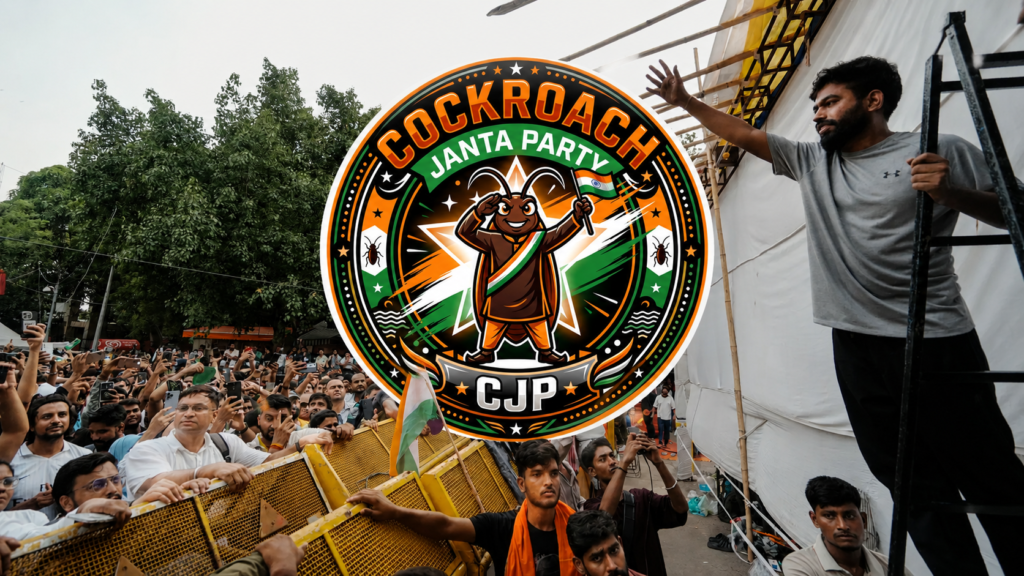
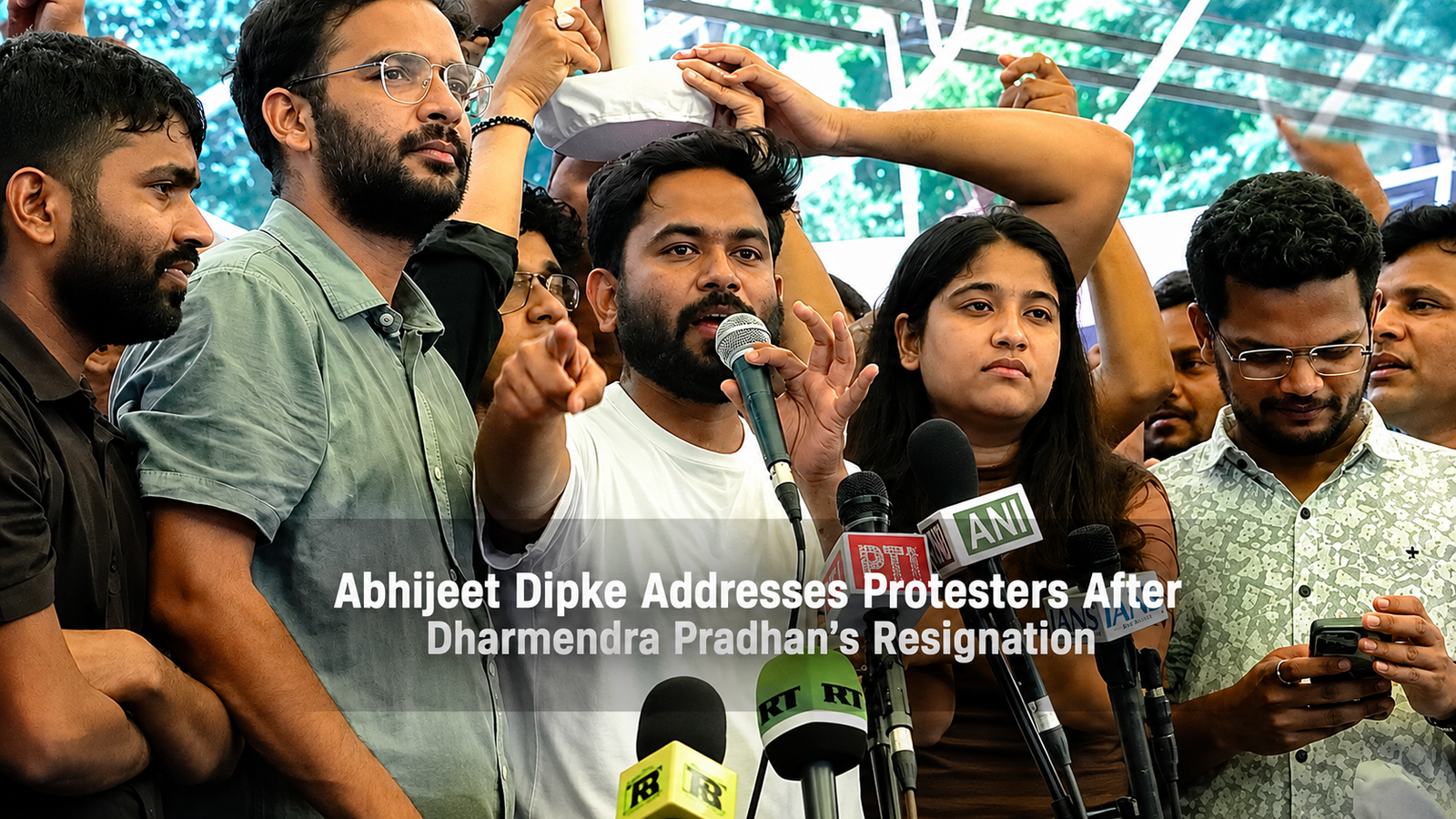
That question is what gave rise to the Cockroach Janta Party (CJP)
a satirical protest collective started by Abhijeet Dipke, which began demanding Pradhan’s resignation from Jantar Mantar. It grew, quickly, into a much larger youth-led campaign.
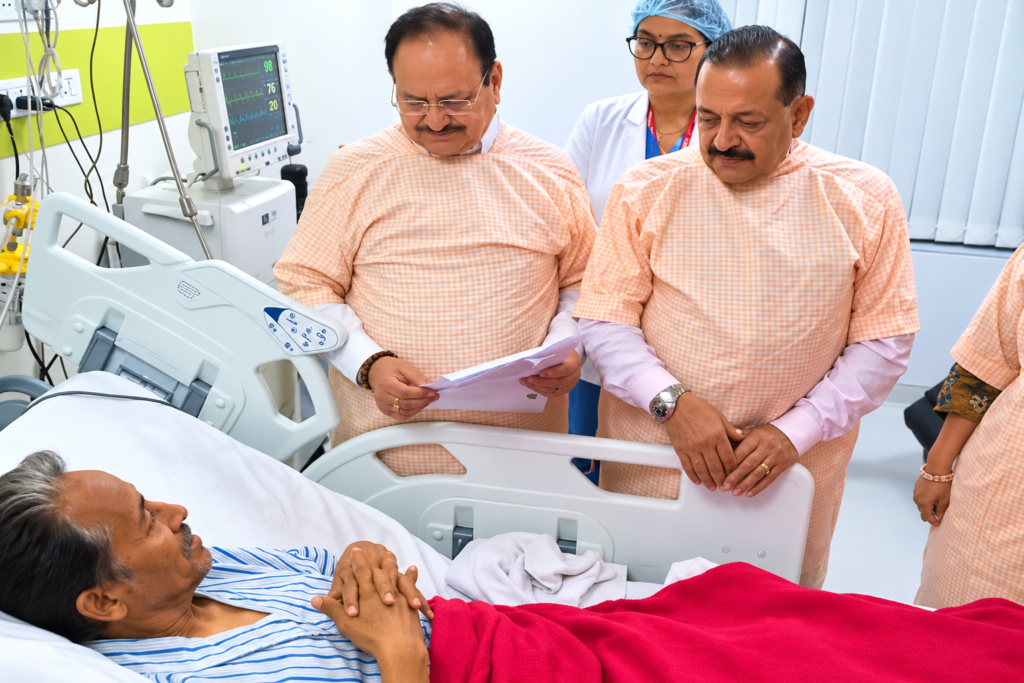
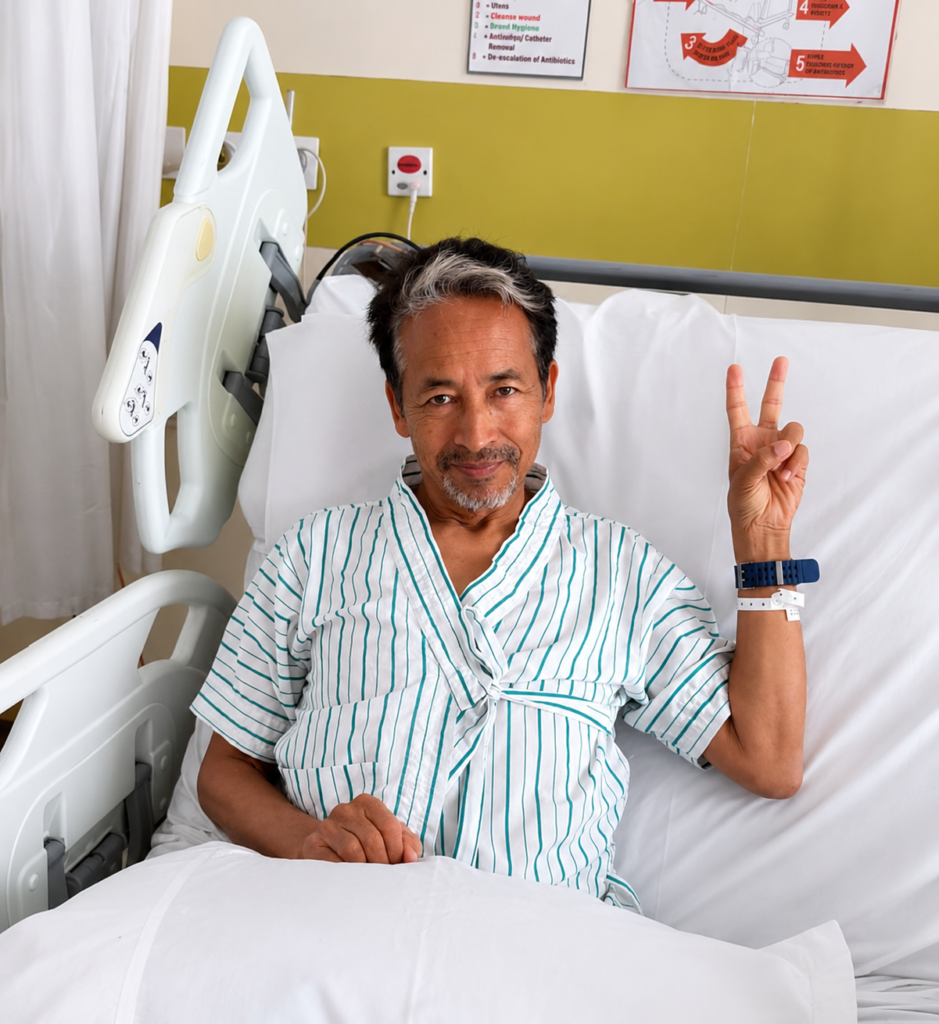
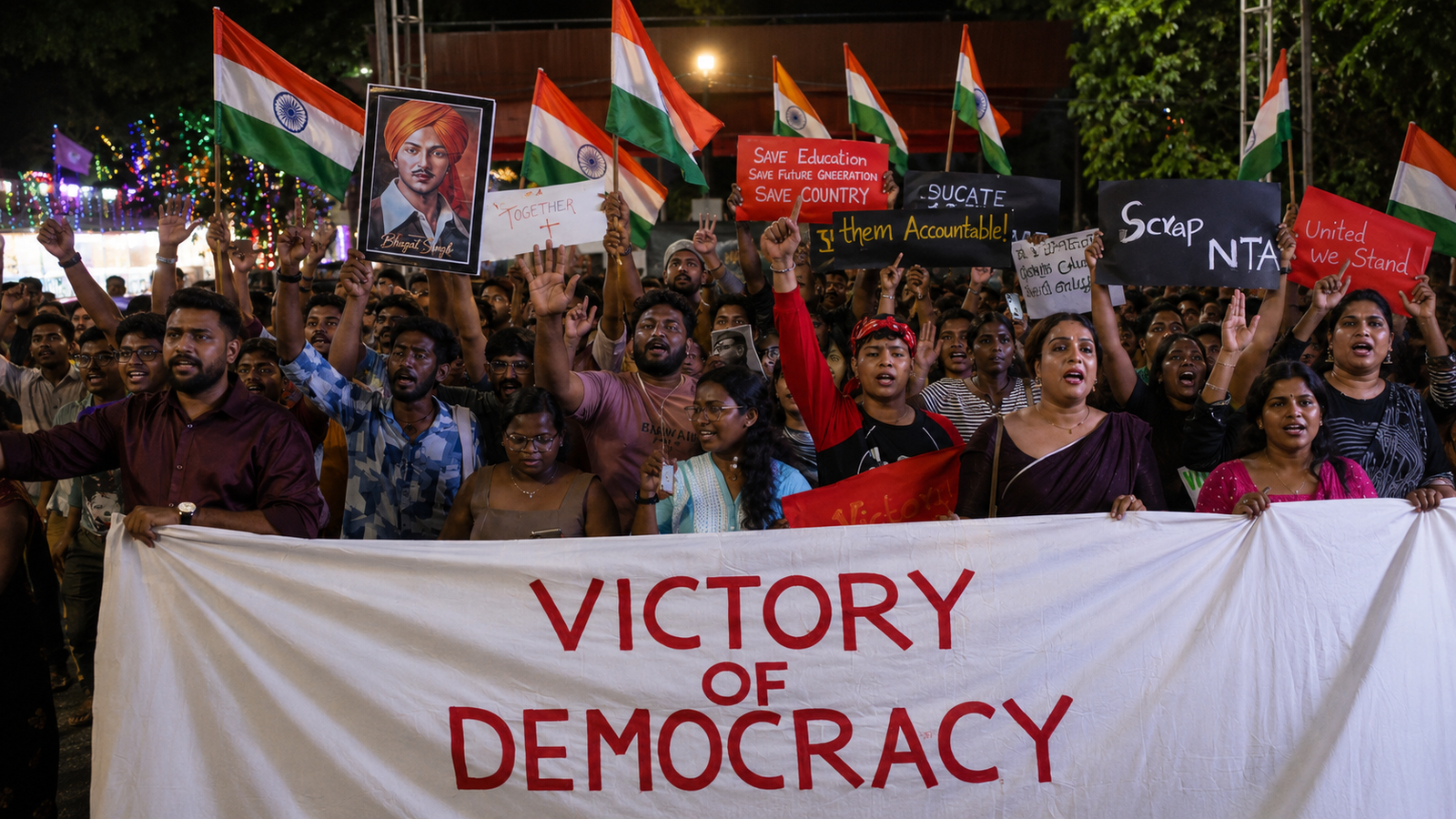
Then Sonam Wangchuk joined in, going on a hunger strike demanding reform of the NTA and the minister’s resignation. That’s the point where this stopped being a local story and became a national one.
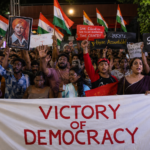
IT’S A VICTORY OF DEMOCRACY direct democracy… straight from the streets. It’s a victory of peace, patience & persévérance. Congratulations CJP, Gen Z of the nation and thank you all citizens for shedding fear and the fear of fear and rising up from every corner of the nation.
FROM ACCOUNTABILITY, NOW TO REFORMS
The Government’s 5 Tricks — And Why None of Them Worked This Time
If you look at the last 12 years, there’s a fairly consistent playbook the government has used to handle protests. This time, the same playbook was tried again. Except this time, it didn’t hold.
1. Ignore It
Early on, there was a period of near-total silence from the government — no minister came forward, no attempt to engage. The assumption was probably that, like past hunger strikes and protests, this one would fizzle out in a few days. Instead, it kept growing.
2. Discredit the Narrative
Next came a familiar pattern on social media — suggestions that the protest was foreign-funded, that certain handles involved were Pakistan-based, and so on. But this time, young people online pushed back on that narrative just as fast as it was put out, and it never really took hold the way it has in the past.
3. Show Force
On July 18, Sonam Wangchuk was removed from Jantar Mantar — likely on the assumption that removing the figurehead would thin out the crowd. Instead, thousands more showed up over the next two days.
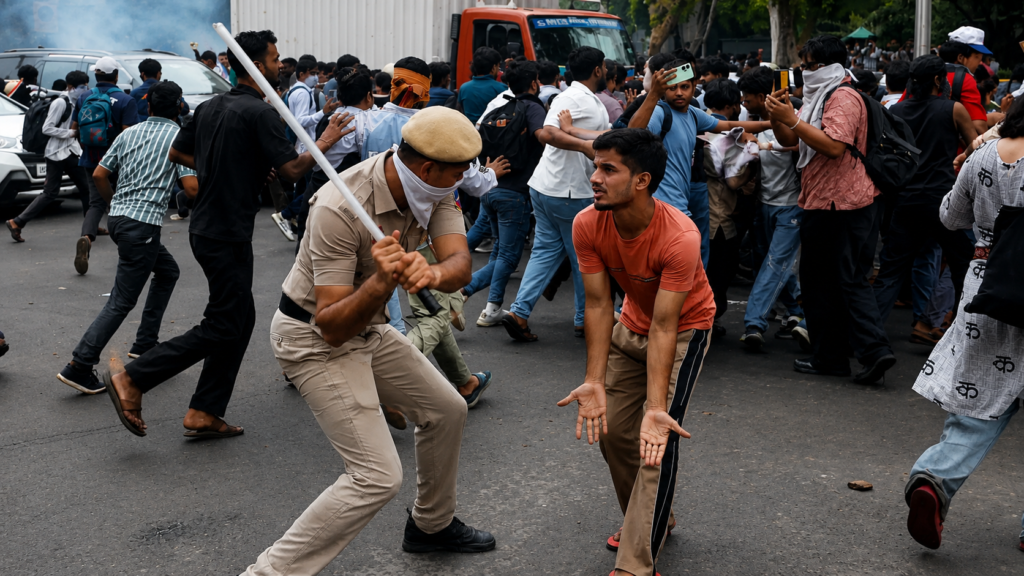
Then came July 20, now being referred to as the “march to Parliament” day, and one of the most contested moments of this entire episode. Tear gas and baton charges were reported, internet services were shut down, and the most disputed claim of all was the alleged use of pellet guns.
Here’s where it’s important to be precise: Delhi Police has categorically denied using pellet guns. At the same time, multiple medical reports, eyewitness accounts, and media investigations have raised serious questions about that denial — including reports of protesters undergoing surgery to have metal pellets removed, with at least one case where doctors reportedly gave very low odds of the person regaining vision in one eye. As of now, there’s no conclusive public evidence establishing that pellet guns were used — it remains a disputed, actively investigated claim, not a settled fact.
Either way, the outcome was the opposite of what was likely intended: instead of scaring people off, it made people angrier that directly points to (Dharmendra Pradhan’s Resignation).
4. Look Like You’re Listening
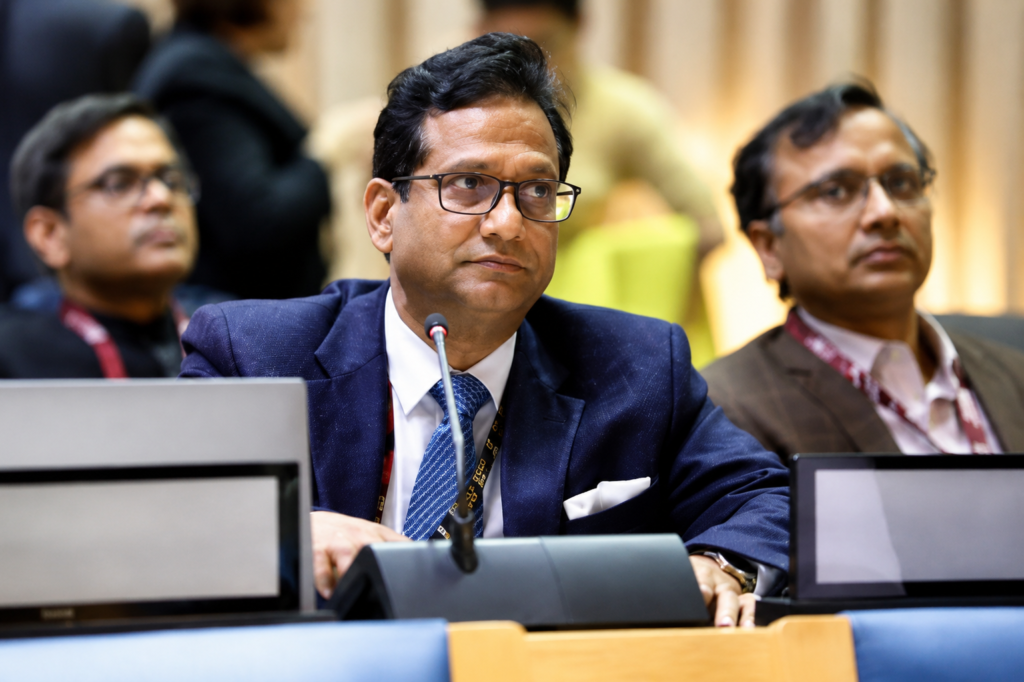
When pressure didn’t ease up, the government made a few moves that looked significant on the surface but landed as fairly hollow. A handful of NTA officials were said to have been removed, the Higher Education Secretary was transferred out, and Naresh Pal Gangwar was brought in as the new Education Secretary.
That appointment ran into its own controversy almost immediately. According to an investigation by The Indian Express, members of Gangwar’s family — his mother, wife, and son — had collectively received subsidies worth around ₹1.16 crore under a National Horticulture Board scheme. Opposition leaders, including Congress MP Jairam Ramesh and CPI(M) MP John Brittas, publicly questioned the appointment. Gangwar himself has denied any wrongdoing, saying no service rules were violated.
So to the public, this move read less like accountability and more like optics.
5. Offer Reassurance
Finally, there were the usual reassurances — talk of fast-track courts, promises that discussions were ongoing. But by that point, public anger had reached a level where words alone weren’t going to be enough.
So Why Did the Government Finally Give In? (Dharmendra Pradhan Resignation)
A few things converged at once:
Parliament’s monsoon session was underway, and the opposition was consistently on the attack.
Rahul Gandhi and other opposition leaders kept the pressure on the government publicly.
The Bharatiya Kisan Unionannounced it would stand with the students and march toward Delhi
International media was picking up on the protests and the police response in the capital, which wasn’t exactly good optics for the government on the world stage.
It’s worth remembering the farmers’ protest and the eventual repeal of the three farm laws — a lesson the government had presumably already learned about what happens when farmers and youth movements start moving together.
What the Resignation Letter Says — And What It Doesn’t
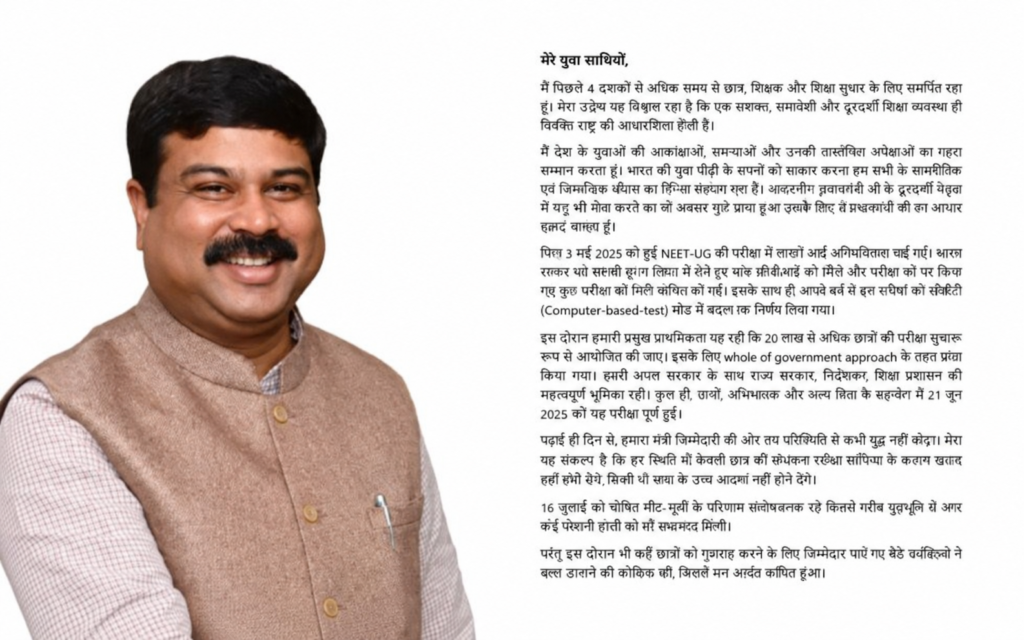
On July 25 (Dharmendra Pradhan’s Resignation), Pradhan submitted his resignation to PM Modi and also released a public letter. In it, he wrote about four decades of association with students and education, and said the events of the past 10 days had personally saddened him.
He referenced the irregularities in the NEET-UG exam, noted that the government acted quickly by ordering a CBI probe, cancelling the exam, and deciding to move to CBT format going forward. He framed his resignation as a way to prevent “anti-national forces” from exploiting the situation politically, and to keep students’ futures from getting tangled in legal complications.
What’s notably missing from the letter is any direct comment on the July 20 police action, or any explicit acknowledgment of responsibility for the repeated pattern of paper leaks during his tenure. Several observers and critics have pointed out that the letter reads more like a “sacrifice” narrative than a straightforward acceptance of accountability.
What Does This Actually Mean?
This is the first time in 12 years that a Union minister has resigned directly under public pressure — not as part of a routine cabinet reshuffle. That alone makes this different from past protests.
One clear takeaway is that a single, sustained, tightly focused campaign can move the needle — when the demand is clear and the pressure doesn’t let up. That said, the organizers themselves have repeatedly said they don’t want any one person turned into a “hero,” since they see this as bigger than any single individual.
Demands that remain unresolved, according to protest organizers, include compensation for injured victims’ families, withdrawal of FIRs filed against peaceful protesters, and an independent inquiry into the July 20 police action.
Conclusion
Dharmendra Pradhan’s resignation didn’t happen overnight. It was the result of weeks of protest, a hunger strike, disputed police action, and mounting public pressure. The government worked through its usual playbook — ignore, discredit, show force, look responsive, reassure — but this time, none of it held.
It’s also worth remembering that several parts of this story are still contested, especially around the police response, where official denials and media reporting are directly at odds. As investigations continue, the picture should get clearer.
What’s your take on all this — is this just one minister’s resignation, or do you think it signals something bigger changing?