
Imagine posting one sarcastic tweet and waking up a few days later to find your “joke” has more followers than the biggest political party in the world. Sounds unbelievable, right? But that’s exactly what happened with the Cockroach Janta Party (CJP) and how a joke became India’s Fastest-Growing Movement.
Here’s the thing — this story isn’t just about a funny meme. It’s about frustration, censorship, death threats, and how a page full of people wearing cockroach costumes genuinely rattled the government.
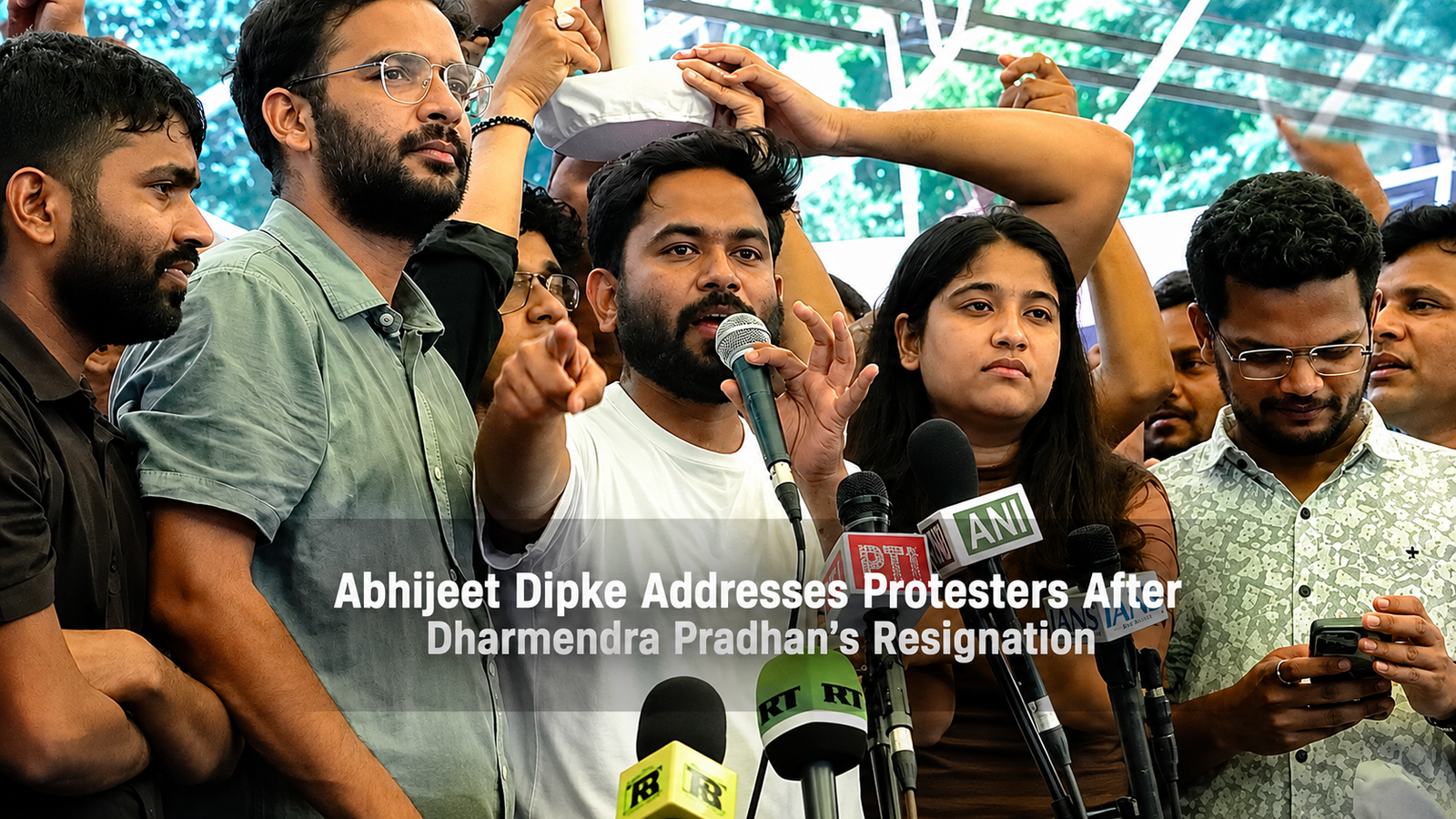
So grab a cup of coffee, because this one’s a wild ride. By the end, you’ll understand exactly how a joke created one of the most famous internet movements in recent Indian history—demanding and securing Dharmendra Pradhan’s resignation—and why it scared the people in power so much.
Where It All Started: One Comment That Blew Up
On 15th May 2026, during a Supreme Court hearing, Chief Justice Suryakant made a comment that nobody expected. While talking about people misusing the system — some turning to media, social media, or activism after failing to find real employment — he compared them to cockroaches.
Naturally, the comment landed, glowing like fresh embers. The country/youth was already dealing with a leaked NEET exam paper, rising unemployment, and soaring prices, so the timing couldn’t have been worse.
The very next day, the CJI clarified that the remark wasn’t aimed at Indian youth in general, but at people misusing fake credentials in law and media. Still, the damage — or depending on how you look at it, the embers was already glowed.
From Joke to Movement: The Birth of CJP
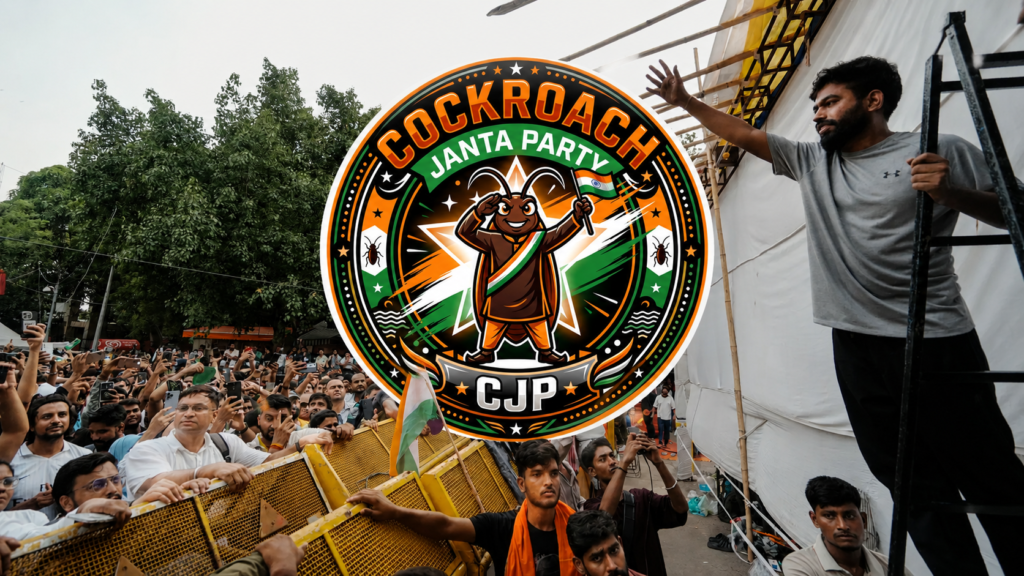
A day later, a 30-year-old Indian student in Boston, Abhijeet Deepak, posted a simple question online (what if all the “cockroaches” came together?). That single post led to the creation of the Cockroach Janta Party — as legally not a real political party, just a website and a social media page, made purely as a joke—like silly morning chit-chat.
Joining was simple. There were only three questions:
- Are you lazy?
- Do you spend hours online?
- Do you identify as a cockroach?
That’s it. No religion, caste, or gender requirement. Just vibes and self-deprecating humor, from here the years of frustration stored in today’s youth came out like “enough of this government“.
Normally on internet, trends like this fade within a couple of days. But this one didn’t fade, this feels different from other trends, it actually feels like “what if all the cockroaches came together?” — it exploded.
- Within 2 days: 40,000+ followers on Twitter/X
- Within 4 days: 8 million followers on Instagram
- Eventually: over 22 million followers, reportedly making it one of the fastest-growing social accounts in history
So what changed? Why didn’t this joke die like every other meme page?
Why People Started Taking a Joke So Seriously
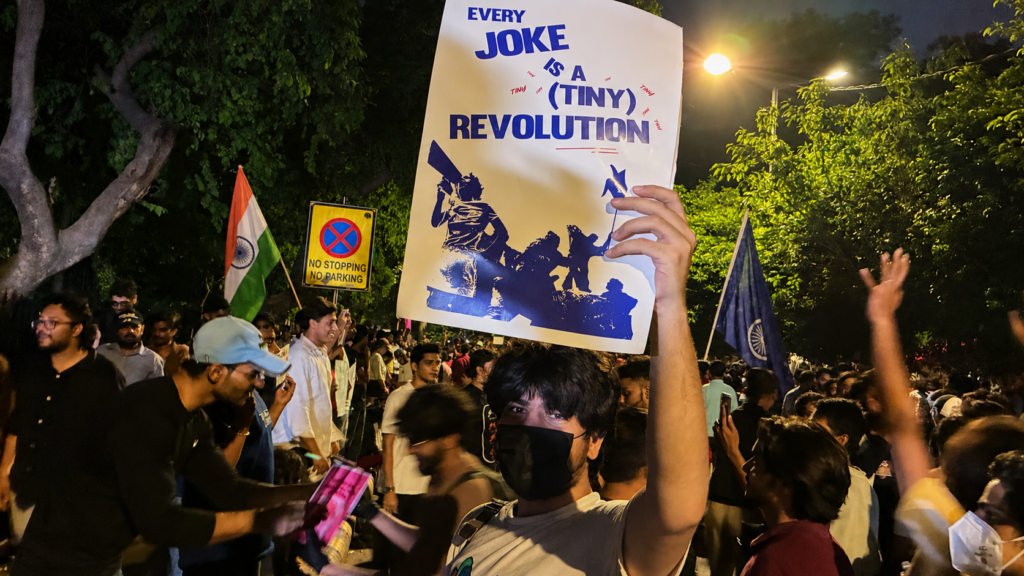
Well, here’s the honest answer — it wasn’t really about cockroaches at all. It was about years of frustration, years of wasted youth, families with hope for their children, it’s about everything the youth have.
Millions of young people were dealing with paper leaks, joblessness, rising costs, and a system that felt like it wasn’t listening. Calling themselves “cockroaches” wasn’t just funny — it captured exactly how a lot of them felt about their own lives.
Then CJP released a manifesto. And that’s when things got real. The demands included things like:
- Ending post-retirement political appointments for judges
- Strong accountability for election-related irregularities
- 50% reservation for women in Parliament and Cabinet
- Restrictions on major media conglomerates seen as too close to those in power
- Bans on political defections without re-election
Underneath the humor were genuinely serious issues — judicial independence, election integrity, media concentration, and political horse-trading. Those jokes started crashing into real-world problems? Bam! The vibe flipped faster than a breaking wave.
CJP also pushed for the resignation of the Education Minister over the NEET paper leak. A related video reportedly crossed a crore views within an hour — a clear sign of just how much pent-up frustration existed among students.
When the Government Pushed Back
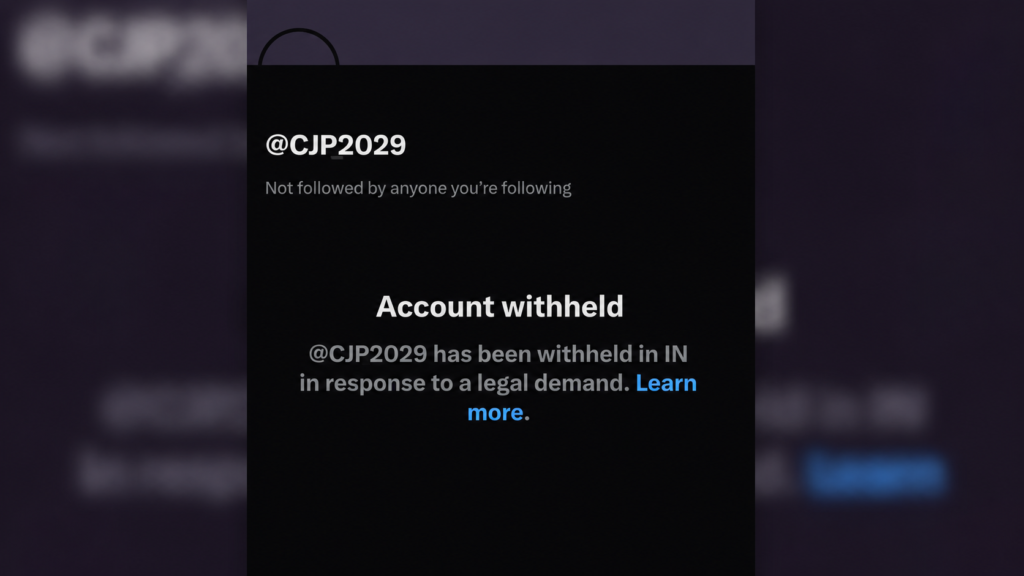
Here’s where the story gets uncomfortable. Just five days after CJP’s manifesto took off, its Twitter/X account was blocked in India, reportedly citing a national security concern flagged by intelligence agencies (unbelievably , government getting scared of public meme).
Think about that for a second — a meme page, built around cockroach costumes and satire, was treated as a security threat.
CJP tried to bounce back with a backup account, but that ran into repeated login and hacking attempts. Eventually, its website was taken down too. By this point, roughly 10 lakh people had signed up as “members,” and over 6 lakh had signed the petition for the minister’s resignation.
Things escalated further from there. Abhijeet said his WhatsApp number was leaked, and he began receiving direct threats — some offering money to shut the page down, others far more serious. He publicly shared these messages.
According to his account, his family in Maharashtra was also targeted, with threatening messages reportedly reaching their home directly. These are serious allegations, and Abhijeet has stated them publicly, though they haven’t been independently verified by an official investigation as far as public reporting shows.
The Character Attacks That Followed
Once the threats didn’t stop the momentum, a different strategy kicked in — discrediting Abhijeet personally.
Critics pointed to his past association with the Aam Aadmi Party, which he has never hidden or denied. He’s spoken openly about working there between 2020 and 2023 before deciding to pursue higher education in the U.S. Some accounts and political commentators framed this as evidence of a “conspiracy,” even though the connection was already public information, tagged directly on his own profile.
When that narrative lost steam, new claims appeared — that a large share of CJP’s followers came from Pakistan, or that most were bots. Here’s the problem: there’s no verified, reliable way to determine follower origin or bot percentages with certainty.
Ironically, similar third-party analysis tools that were used to question CJP’s followers also flagged a notable share of fake followers on other major political accounts, showing just how unreliable these claims can be.
The Bigger Picture: A Shrinking Space for Dissent
This story isn’t really about one meme page. It’s part of a bigger pattern that a lot of commentators, journalists, and activists have pointed to — where dissent, satire, and even simple criticism online gets treated with heavy-handed responses.
You’ve probably heard of other examples where people raising concerns — about regional issues, environmental impact, or exam integrity — found themselves labeled as foreign agents or security threats almost overnight. Whether or not you agree with every framing, the pattern of quick, serious accusations following online criticism is one that keeps repeating.
So, What Happens Next?
As of now, CJP has regained access to parts of its Instagram and website, though its Twitter/X account remains blocked in India, with an appeal reportedly in court. Whether this movement fades like a typical meme trend or evolves into something more decentralized largely depends on its millions of followers.
One interesting idea floating around: if a large share of the followers changed their profile pictures or reposted the same content independently, censoring a single account wouldn’t matter much anymore. That’s a fascinating thought — a decentralized version of a movement that can’t really be “switched off.”
Whatever side of the debate you land on, one thing is hard to deny — this wasn’t just about a meme anymore.
Content Credits, youtuber Dhruv Rathee
Question For You!
What’s your take — do you think the government’s response was justified, or completely overblown? Drop your thoughts in the comments.







One Comment
Amazing…